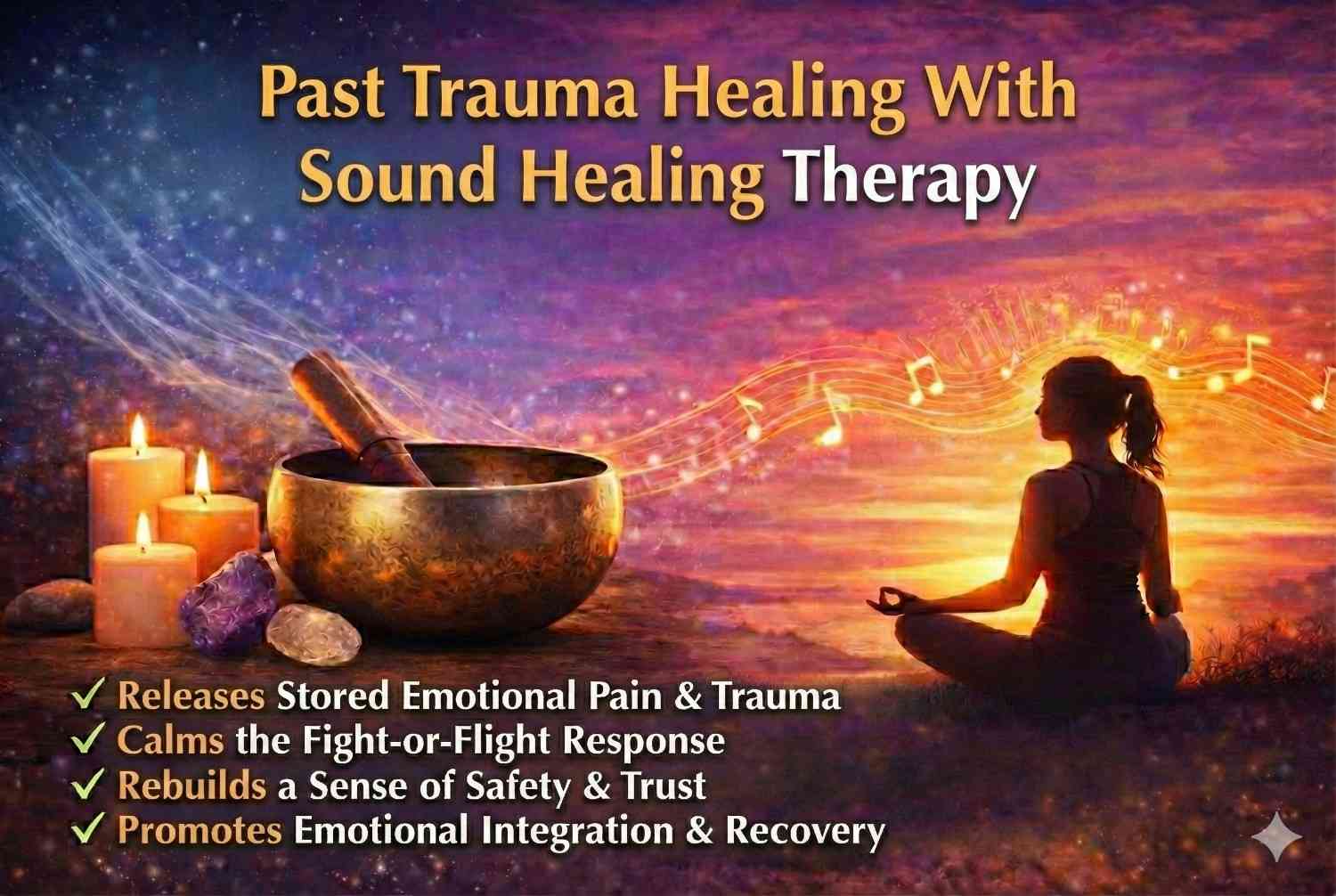
A Science-Backed, Natural Approach to Emotional Recovery & Nervous System Regulation
Unresolved trauma does not disappear with time — it remains stored in the body and nervous system.
Past experiences such as childhood neglect, emotional abuse, grief, betrayal, accidents, or shock can leave lasting imprints on the brain and body. These imprints may appear as:
-
Chronic anxiety
-
Panic attacks
-
Emotional numbness
-
Sleep disturbances
-
Hypervigilance
-
Relationship triggers
-
Unexplained physical tension
Today, many people are exploring Sound Healing as a complementary, body-based approach to trauma recovery.
This Blog explains:
-
How trauma affects the brain & body
-
Why nervous system healing is essential
-
How sound therapy supports emotional regulation
-
Brainwave states & trauma processing
Understanding Trauma: It Lives in the Nervous System
Trauma is not just a memory. It is a physiological response that becomes “stuck.”
When a traumatic event occurs, the body activates:
-
Fight (anger, aggression)
-
Flight (anxiety, avoidance)
-
Freeze (shutdown, numbness)
-
Fawn (people-pleasing, fear of rejection)
If the body does not complete this stress cycle, the nervous system remains dysregulated.
Over time, this can lead to:
-
Elevated cortisol
-
Overactive amygdala (fear center)
-
Reduced emotional resilience
-
Chronic stress patterns
This is why trauma healing must involve the body — not just conversation.
How Sound Healing Therapy Supports Trauma Recovery
1️⃣ Nervous System Regulation (Foundation of Healing)
Safety is the first step in trauma recovery.
Gentle harmonic sound:
✔ Activates the parasympathetic nervous system
✔ Reduces heart rate
✔ Lowers stress hormones
✔ Signals safety to the brain
When the body feels safe, emotional processing becomes possible.
2️⃣ Brainwave Entrainment & Trauma Release
Trauma survivors often stay in high Beta brainwave states (hyper-alert mode).
Sound therapy helps shift brainwaves toward:
-
Alpha (calm awareness)
-
Theta (deep emotional processing)
Theta states are associated with subconscious access and emotional integration.
This process is called brainwave entrainment — where rhythmic sound influences neural activity.
3️⃣ Vibrational Healing & Stored Emotional Tension
Trauma is often held physically in:
-
Chest (grief, heartbreak)
-
Throat (unspoken truth)
-
Solar plexus (fear, control issues)
-
Hips (deep emotional memory)
Instruments like Tibetan Singing Bowls create layered harmonic frequencies that resonate through the body’s tissues.
Because the human body is largely water, sound waves travel effectively through it, promoting relaxation and tension release.
Scientific Perspective: What Research Suggests
Emerging studies show that sound meditation practices may:
-
Reduce stress markers
-
Improve emotional regulation
-
Lower anxiety levels
-
Enhance relaxation response
-
Support sleep quality
While sound healing is not a replacement for trauma therapy, it is increasingly recognized as a complementary practice within holistic mental wellness.
Why Sound Healing Can Feel Safer Than Talk Therapy (For Some)
For certain individuals:
-
Talking about trauma can feel overwhelming
-
Verbal recall may trigger stress responses
-
Emotional shutdown may occur
Sound healing:
✔ Does not require reliving trauma verbally
✔ Works through body awareness
✔ Allows gradual release
✔ Encourages self-regulation
It supports trauma healing gently and progressively.
Benefits of Trauma Healing Through Sound Therapy
✔ Reduced anxiety triggers
✔ Improved emotional regulation
✔ Better sleep
✔ Reduced muscle tension
✔ Increased self-awareness
✔ Improved resilience
✔ Enhanced inner calm
Who Can Benefit?
-
Individuals with childhood trauma
-
People recovering from relationship heartbreak
-
Those experiencing chronic stress
-
Anxiety or panic disorder sufferers
-
Individuals seeking holistic emotional healing
Discover how sound healing therapy supports past trauma recovery by regulating the nervous system, reducing anxiety, and promoting emotional release naturally.
Frequently Asked Questions (FAQ for Google Snippets)
❓ Can sound healing cure trauma?
Sound healing does not “cure” trauma but may support nervous system regulation and emotional processing when combined with professional therapy.
❓ How long does it take to see results?
Some people feel calm after one session. Long-term regulation may require consistent practice over several weeks.
❓ Is sound therapy safe for PTSD?
It can be supportive, but individuals with severe trauma should work with trained professionals.
Final Thoughts
Trauma recovery is not about forgetting the past — it is about teaching the body that it is safe in the present.
Through Sound Healing, the nervous system can gradually move from survival mode to balance.
Healing happens when safety, awareness, and consistency come together.
Want To Connect With Expert Call Now On - 8700559091 or 9210080271